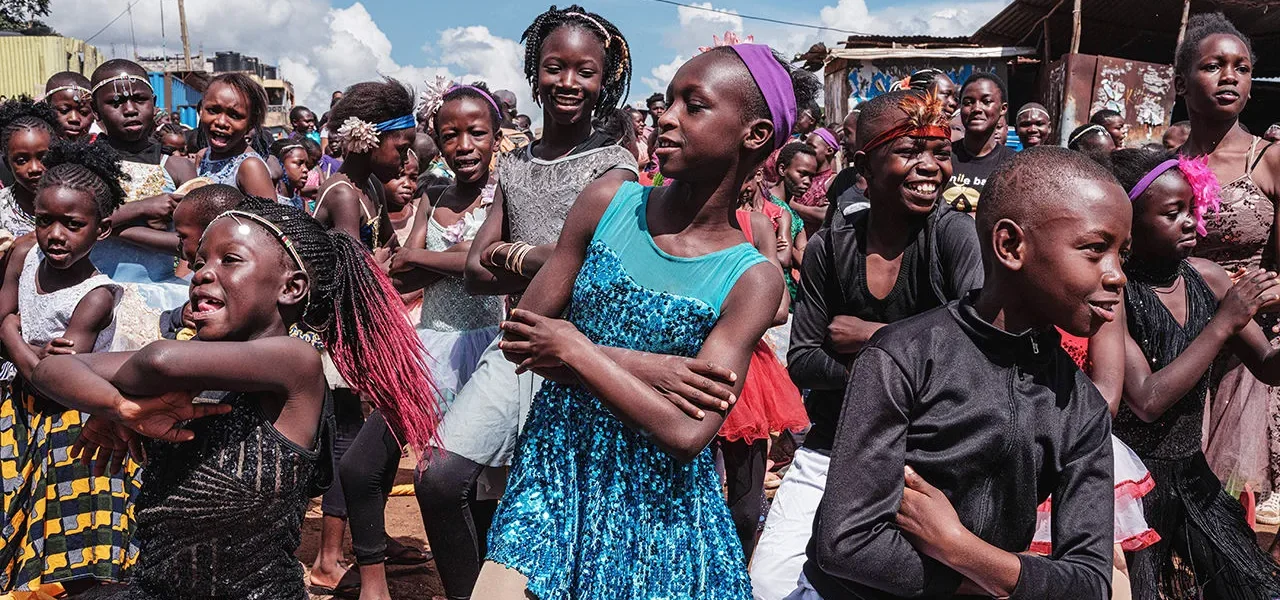

Cities across Africa are expanding rapidly. Urban growth is changing how people live, work, travel, learn, and do business.
For many people, cities represent opportunity. They offer access to education, employment, markets, healthcare, and social mobility. This continues to attract migration from smaller towns and rural communities.
But urban growth also brings pressure.
Housing shortages, traffic congestion, sanitation challenges, informal settlements, transport limitations, and rising living costs affect daily life in many cities. Rapid growth can strain infrastructure faster than public systems can respond.
At the same time, urban expansion also creates economic energy.
Cities often become centers of innovation. New businesses emerge where people, markets, talent, and demand are concentrated. Technology startups, retail businesses, creative industries, service companies, logistics operators, and construction sectors often grow fastest in urban environments.
Young people are especially shaping urban culture. Their influence is visible in digital entrepreneurship, fashion, music, media, social movements, and new business models.
Urban planning will become increasingly important in the coming years. Transport systems, affordable housing, public spaces, drainage, waste management, and digital infrastructure will shape the quality of urban life.
Africa’s urban future is not simply about bigger cities. It is about whether growing cities become more productive, more inclusive, and better able to support long-term development.