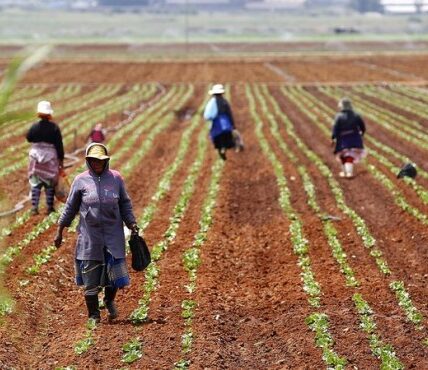

The meaning of work is changing across Africa.
For previous generations, career success was often associated with stable formal employment. Government jobs, corporate positions, and long-term institutional careers were widely seen as the preferred path.
Today, younger generations are navigating a more flexible and uncertain environment.
Many young people combine multiple income sources. They may work formally while running side businesses, freelancing, consulting, selling online, creating digital content, or offering specialized services.
This shift is partly driven by necessity. Formal employment growth often does not match the pace of population growth. But it is also driven by changing ambition. Many young people now seek flexibility, ownership, creative independence, and diversified income.
Digital tools have helped accelerate this change. Social media marketing, remote work platforms, mobile payments, digital design tools, and online learning have expanded access to economic participation.
This new work culture also requires new skills. Communication, adaptability, financial management, digital literacy, customer service, problem-solving, and self-management are becoming increasingly valuable.
The change does not mean formal employment has become unimportant. Stable institutions remain essential. But work is becoming more dynamic.
For policymakers, educators, and employers, this matters. Training systems designed for older labor models may not fully prepare young people for emerging realities.
Across Africa, young people are not simply entering the labor market. They are actively reshaping it.