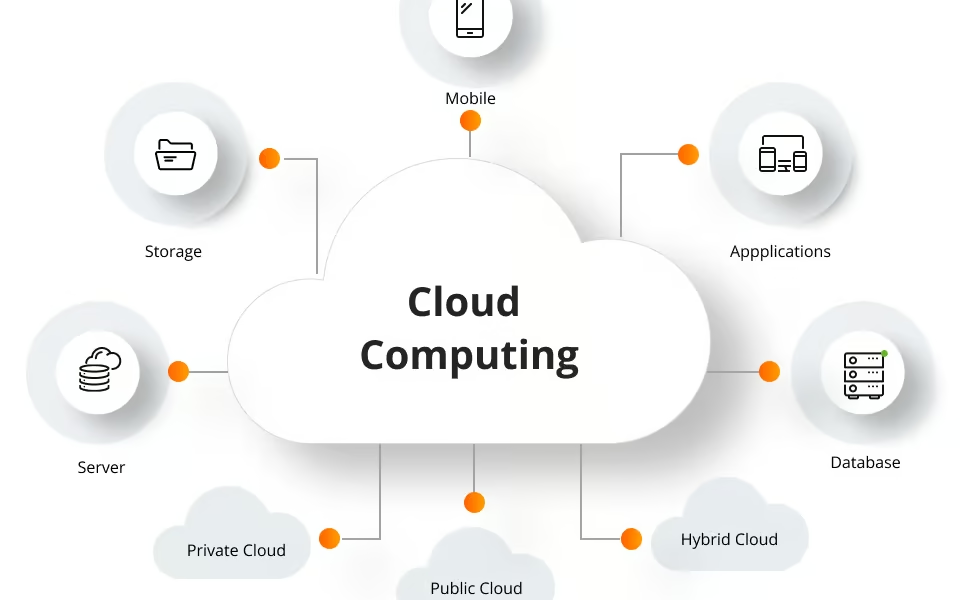

Cloud computing has revolutionized how businesses store, access, and manage data. Instead of relying solely on physical servers and local infrastructure, organizations can now utilize cloud-based services to access computing resources over the internet.
One of the biggest advantages of cloud computing is scalability. Companies can increase or decrease resources based on demand without making significant investments in hardware. This flexibility allows startups and large enterprises alike to operate more efficiently while reducing operational costs.
Cloud platforms also enhance collaboration. Employees can access files, applications, and services from virtually anywhere, enabling remote work and seamless teamwork across different locations. Furthermore, cloud providers often offer built-in security features, automatic backups, and disaster recovery solutions that improve business resilience.
However, organizations must still address concerns related to data privacy, compliance, and service availability. Selecting reputable providers and implementing proper security controls remain essential components of a successful cloud strategy.
As digital transformation accelerates across industries, cloud computing will continue to serve as a foundation for innovation. Emerging technologies such as artificial intelligence, big data analytics, and the Internet of Things increasingly rely on cloud infrastructure to deliver scalable and reliable services.
The ability to adapt quickly and leverage cloud technologies effectively can provide organizations with a significant competitive advantage in today’s dynamic business environment.