
Artificial Intelligence Is Changing Everyday Life
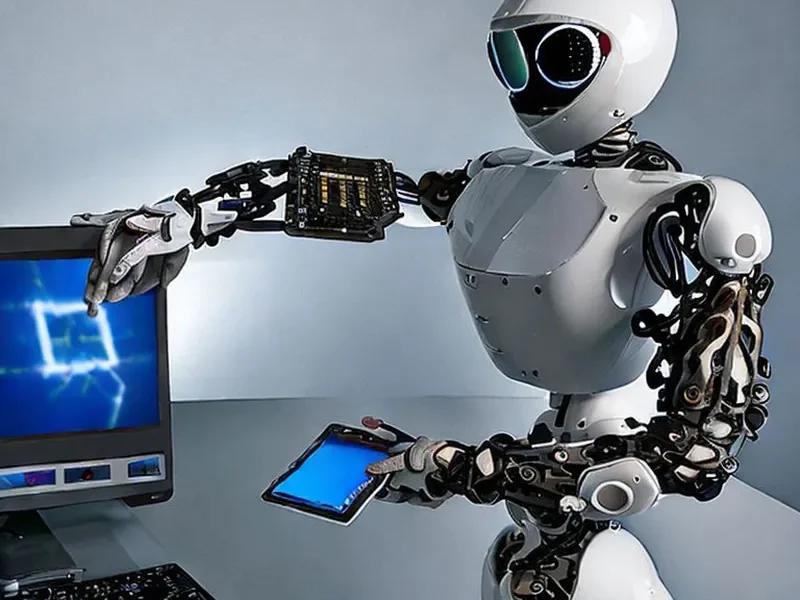
Artificial Intelligence (AI) is no longer a futuristic concept reserved for technology companies and research laboratories. Today, AI is integrated into many aspects of daily life, helping people work more efficiently, communicate better, and make informed decisions.
From voice assistants and recommendation systems to fraud detection and medical diagnostics, AI-powered solutions are becoming increasingly common. Businesses use AI to analyze customer behavior, automate repetitive tasks, and improve productivity. In healthcare, AI helps doctors identify diseases earlier and develop personalized treatment plans. Educational institutions are also leveraging AI tools to provide customized learning experiences for students.
Despite its benefits, AI presents challenges. Concerns about privacy, misinformation, and job displacement continue to spark discussions among policymakers and industry leaders. As AI technologies advance, responsible development and ethical use will become increasingly important.
The future of AI is likely to bring even more innovations. Organizations and individuals who understand and embrace these technologies will be better positioned to adapt to a rapidly changing digital world. Rather than replacing human creativity and expertise, AI has the potential to enhance human capabilities and create new opportunities across various industries.
2. The Importance of Cybersecurity in a Connected World
The digital age has transformed the way people communicate, work, and conduct business. However, increased connectivity has also created new opportunities for cybercriminals. As a result, cybersecurity has become one of the most critical concerns for organizations and individuals worldwide.
Cybersecurity involves protecting systems, networks, and data from unauthorized access, attacks, and damage. Common threats include phishing emails, ransomware, malware, and identity theft. A single successful cyberattack can lead to financial losses, reputational damage, and the exposure of sensitive information.
Businesses are investing heavily in security measures such as multi-factor authentication, encryption, employee awareness training, and advanced threat detection systems. At the individual level, simple practices like using strong passwords, updating software regularly, and avoiding suspicious links can significantly reduce risks.
As technology continues to evolve, cyber threats are becoming more sophisticated. Artificial intelligence is now being used by both defenders and attackers, creating an ongoing battle in the cybersecurity landscape. Building a strong security culture and staying informed about emerging threats are essential steps toward maintaining a safer digital environment.
Cybersecurity is no longer solely the responsibility of IT professionals. Every internet user plays a role in protecting personal and organizational data from cyber threats.