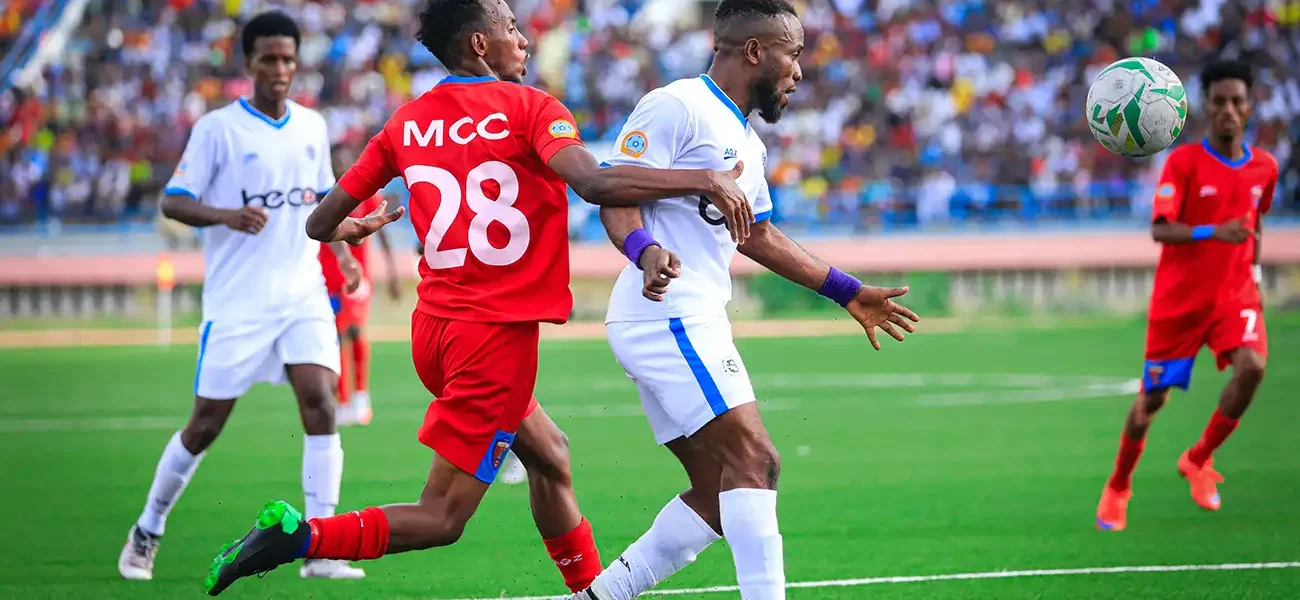

Football has long been more than sport across Africa. It is part of identity, community, and national pride. From neighborhood pitches to packed stadiums, football remains one of the continent’s most powerful cultural forces.
In recent years, African football has also become increasingly influential on the global stage.
African players now play important roles in major leagues across Europe, the Middle East, and other regions. Their visibility has expanded not only because of talent, but because African football development systems have matured. Better scouting networks, youth academies, coaching structures, and international exposure have strengthened the pipeline.
Countries such as Ghana, Senegal, Morocco, Nigeria, Ivory Coast, Cameroon, and South Africa continue to produce players who compete at the highest level.
Recent international tournaments have also shown growing competitiveness. African national teams are increasingly better organized tactically, physically strong, and more experienced in global competition. This has changed international perceptions. African teams are no longer viewed simply as unpredictable outsiders. They are increasingly respected as serious contenders.
Domestic football also remains important. Local leagues provide employment, youth development, community engagement, and commercial opportunities. However, challenges remain. Financial instability, infrastructure gaps, governance issues, and inconsistent investment still limit growth in many domestic competitions.
Improving local football systems could create significant economic benefits. Stronger leagues attract sponsorship, media rights, ticket revenue, local business activity, and tourism. Football can become both cultural capital and economic opportunity.
Youth development will remain central. Across the continent, thousands of talented young players need structured coaching, education support, sports science, and responsible career guidance.
The future of African football will not depend only on exporting talent abroad. It will also depend on building stronger local institutions that can sustain long-term growth.
Football already holds enormous emotional power across Africa. The next stage is converting that passion into stronger systems, better development, and lasting economic value.