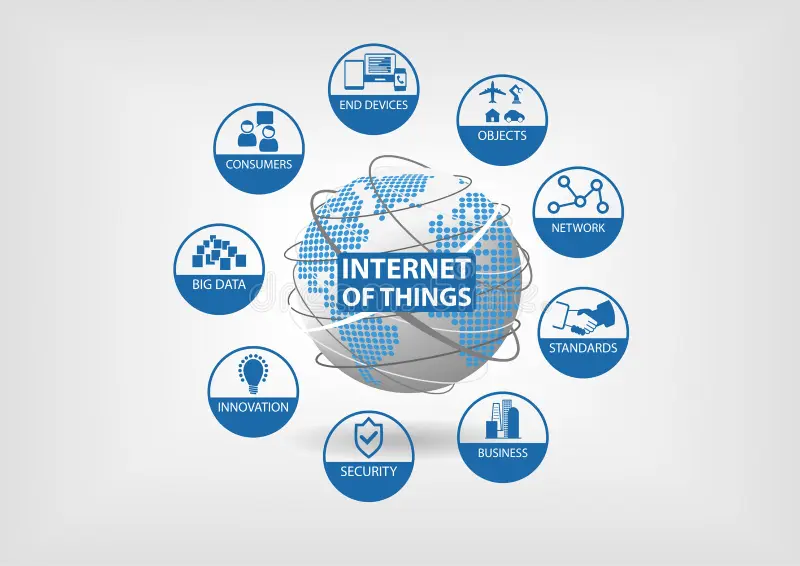

The Internet of Things (IoT) refers to a network of interconnected devices that collect, share, and process data through the internet. From smart homes and wearable fitness trackers to connected vehicles and industrial sensors, IoT technology is transforming the way people interact with their surroundings.
Smart devices offer convenience and efficiency by automating routine tasks and providing real-time information. Homeowners can remotely control lighting, security systems, and appliances using smartphones. Businesses use IoT solutions to monitor equipment performance, optimize energy consumption, and improve operational efficiency.
The impact of IoT extends beyond convenience. In agriculture, sensors help farmers monitor soil conditions and crop health. In healthcare, connected devices enable remote patient monitoring and faster response to medical emergencies. Smart cities are also using IoT technologies to manage traffic, reduce energy waste, and improve public services.
Despite its advantages, IoT introduces security and privacy challenges. Every connected device can become a potential entry point for cyberattacks if not properly secured. Manufacturers and users must prioritize security updates, strong authentication methods, and responsible data management practices.
As internet connectivity becomes more widespread and technology costs continue to decrease, the adoption of IoT solutions is expected to grow significantly. Smart technology is not only changing how devices operate but also reshaping industries and creating new possibilities for innovation around the world.