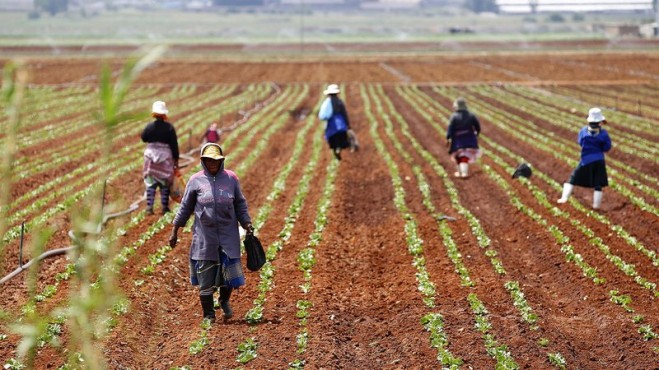

Agriculture remains one of the most important sectors across Africa. In many countries, it provides employment for large parts of the population, supports food security, and contributes significantly to national income. Yet despite its importance, agriculture is often discussed as a traditional sector rather than a modern engine of growth.
That view is changing.
Across the continent, agriculture is increasingly being seen as a value chain rather than simply farming. Production is only one part of the process. Storage, transportation, processing, packaging, distribution, and retail all create economic value.
In Ghana, Nigeria, Kenya, and many other countries, post-harvest losses remain a major challenge. Farmers may produce good crops but lose value because of poor storage, weak logistics, or limited access to reliable markets. Addressing these problems can improve incomes without necessarily increasing land size.
Young entrepreneurs are also entering agriculture in new ways. Some are building agribusinesses, food processing ventures, agricultural technology services, and logistics solutions that connect producers directly with buyers.
Climate change, however, remains a serious concern. Unpredictable rainfall, drought, flooding, and soil degradation affect productivity. This makes investment in irrigation, climate-smart farming, farmer education, and agricultural research increasingly important.
Africa’s future food demand will continue to grow with population expansion. This creates both pressure and opportunity. Countries that strengthen agricultural productivity and value addition will be better positioned to improve food security, create jobs, and reduce import dependence.
Agriculture remains one of Africa’s oldest sectors, but it may also become one of its most important future growth engines.